
The Mercedes-Benz Vito, renowned for its versatility as a passenger shuttle, camper van base, or cargo hauler, often faces one key limitation: standing headroom. For taller individuals or those seeking a more comfortable living/working space, a raised roof (often called a "high roof" or "elevated roof") becomes essential. Choosing the right solution involves navigating several options, each with distinct advantages and trade-offs. Here's a comparison of the main approaches:
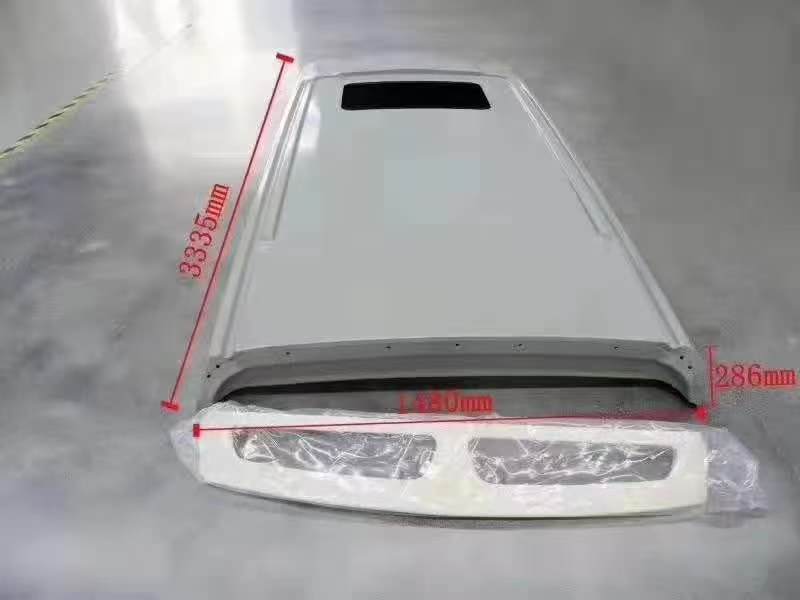
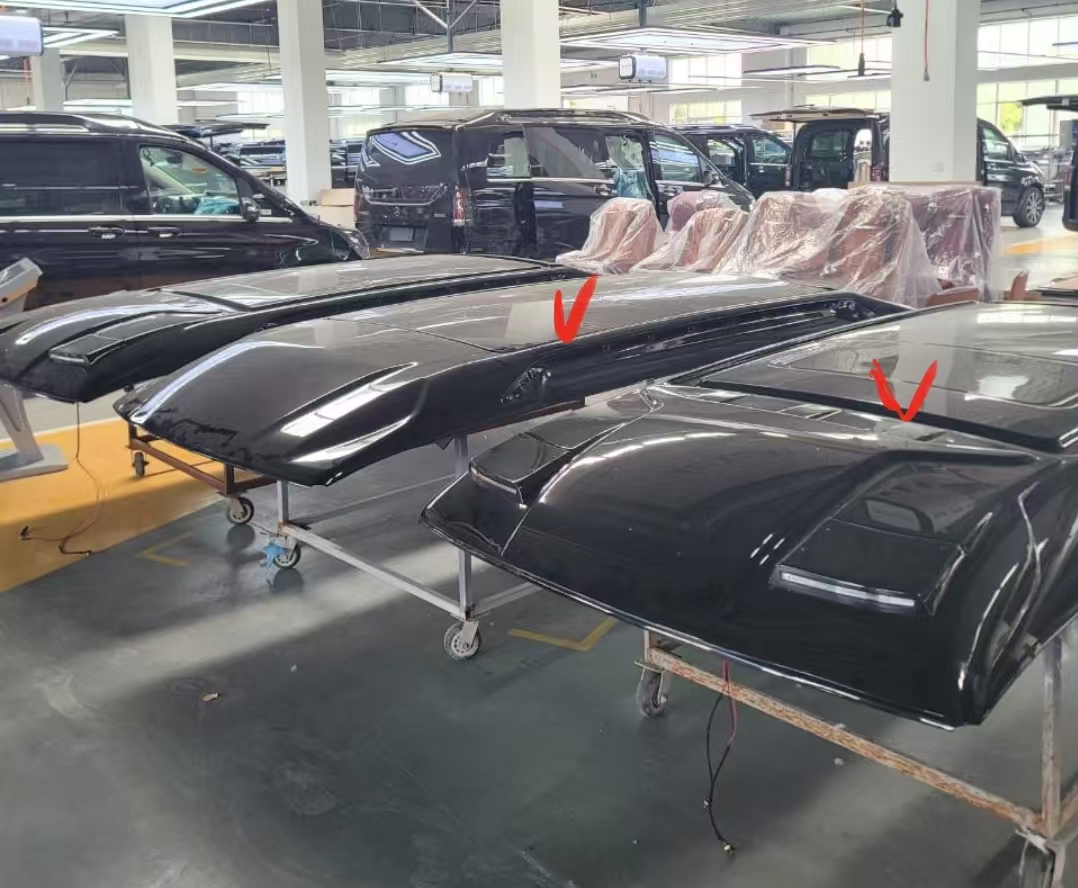
1. Fixed Fiberglass High Roof (Full Replacement):
-
Concept: Completely replaces the standard factory roof with a taller, one-piece molded fiberglass roof extending the entire length of the vehicle.
-
Pros:
-
Maximum Headroom: Provides the greatest and most consistent interior height gain (typically 30-40 cm / 12-16 inches).
-
Durability & Structure: Excellent structural integrity, weatherproofing, and resistance to dents/dings. Feels like a factory part.
-
Aesthetics: Offers a sleek, integrated, and often very professional-looking finish. Can be painted to match the van.
-
Insulation: Provides a large cavity ideal for adding thick insulation for thermal and acoustic comfort (crucial for campers).
-
Windows & Ventilation: Easily accommodates large roof windows, skylights, and ventilation fans.
-
-
Cons:
-
Highest Cost: Generally the most expensive option due to material and complex installation (requires removing the entire original roof).
-
Permanent Height Increase: Significantly increases overall vehicle height (often exceeding 2.5m / 8'2"), limiting access to low garages, car parks, and drive-thrus.
-
Complex Installation: Requires specialized skills and facilities. Installation time is significant.
-
Weight: Adds noticeable weight to the vehicle.
-
2. Fixed ABS Plastic High Roof (Full Replacement):
-
Concept: Similar to the fiberglass full replacement, but constructed from lighter-weight ABS plastic.
-
Pros:
-
Good Headroom: Similar height gain to fiberglass (30-40 cm / 12-16 inches).
-
Lighter Weight: Significantly lighter than fiberglass, reducing impact on fuel economy and payload.
-
Cost: Often slightly less expensive than premium fiberglass options.
-
Durability: Resistant to corrosion and generally durable, though potentially less impact-resistant than fiberglass.
-
Aesthetics & Integration: Also provides a clean, integrated look when painted.
-
-
Cons:
-
Cost & Installation: Still high cost and requires complex professional installation.
-
Permanent Height Increase: Same access limitations as fiberglass roofs.
-
Potential for Expansion/Contraction: ABS can be more susceptible to thermal expansion/contraction than fiberglass, potentially leading to minor stress points or noise over time (mitigated by good design/install).
-
Perceived Durability: While strong, ABS may feel less robust than fiberglass to some users.
-
3. Pop-Top Roof (Elevating Roof):
-
Concept: A roof section (usually canvas or hardshell) that mechanically elevates when parked, creating standing room. Collapses down to near-stock height for driving.
-
Pros:
-
Retained Driving Height: The major advantage. Keeps the van within standard height limits (often under 2m / 6'7") for driving, allowing access to garages and low obstacles.
-
Good Parked Headroom: Provides ample standing height when elevated.
-
Ventilation & Light: Excellent for airflow and bringing in natural light when open. Creates an open-air feeling.
-
Weight: Generally lighter than fixed high roofs.
-
Potential Sleeping Area: Often incorporates an upper sleeping bunk.
-
-
Cons:
-
No Standing Room While Driving: Only provides standing space when the vehicle is parked and the roof is raised.
-
Insulation Challenges: Canvas pop-tops offer significantly less insulation than fixed roofs, making temperature control harder (hot in summer, cold in winter). Hardshell pop-tops are better but still not equal to fixed.
-
Mechanical Complexity: Relies on lifting mechanisms (gas struts, electric motors) which can potentially fail or require maintenance.
-
Security: Canvas tops are inherently less secure than fixed metal/fiberglass roofs.
-
Wind Noise/Resistance: Can increase wind noise slightly when driving, even when closed. Aerodynamics affected when raised.
-
Reduced Internal Volume (Closed): The lowered section takes up some headspace inside the van when driving/collapsed.
-
Cost: High-quality pop-tops (especially hardshell) can be very expensive, rivaling fixed roofs.
-
4. Front/Rear Cab Roof Spoiler (Minimal Lift):
-
Concept: A smaller, aerodynamic spoiler added to the front or rear section of the existing roof, primarily for aesthetics and minor airflow improvement. Offers negligible usable interior height gain.
-
Pros:
-
Low Cost: Least expensive option.
-
Minimal Height Increase: Negligible impact on overall vehicle height.
-
Aesthetics: Can enhance the van's appearance.
-
-
Cons:
-
No Practical Headroom Gain: Does not solve the standing room problem. Not a true raised roof solution for interior space.
-
Key Comparison Factors Summary:
| Feature | Fixed Fiberglass Roof | Fixed ABS Roof | Pop-Top Roof (Canvas/Hardshell) | Cab Spoiler |
|---|---|---|---|---|
| Headroom Gain | Very High (30-40cm) | Very High (30-40cm) | High (Only When Raised) | Negligible |
| Driving Height | Permanently High | Permanently High | Near Standard Height | Standard |
| Insulation | Excellent | Very Good | Poor (Canvas) / Good (Hard) | N/A |
| Durability | Excellent | Very Good | Good (Hard) / Moderate (Canvas) | Good |
| Complexity | High (Install) | High (Install) | Moderate-High (Mechanics) | Low |
| Cost | $$$$ (Highest) | $$$ | $$$-$$$$ | $ |
| Best For | Full-time campers, shuttles needing max space | Campers prioritizing weight savings | Urban campers, those needing garage access | Aesthetics only |
Choosing the Right Vito Raised Roof:
-
Need Maximum, Always-Available Space & Insulation? Choose a Fixed Fiberglass or Fixed ABS Roof. Be prepared for the height and cost.
-
Must Retain Low Driving Height for Garages/Cities? A Pop-Top Roof is your only viable option. Prioritize hardshell for better insulation if budget allows.
-
On a Tight Budget & Only Need Minor Aesthetics? A Cab Spoiler might suffice, but understand it won't give standing room.
Critical Considerations:
-
Professional Installation: Especially for fixed roofs and pop-tops, expert installation is paramount for safety, structural integrity, and watertightness. Cutting the original roof is a major modification.
-
Vehicle Generation: Ensure the roof kit is specifically designed for your Vito model (e.g., W639, W447).
-
Intended Use: Camper van? Shuttle? Cargo? Your primary use drastically impacts the best choice (insulation vs. height clearance vs. cost).
-
Budget: Factor in not just the kit cost, but also professional installation, painting, and any required interior modifications.
Ultimately, the "best" raised roof for your Mercedes Vito depends entirely on your specific needs, budget, and tolerance for increased vehicle height. Carefully weigh the trade-offs between permanent spaciousness (fixed roofs) and the crucial ability to drive anywhere (pop-tops) to make the right decision for your adventures or business.

 :
:  :
: